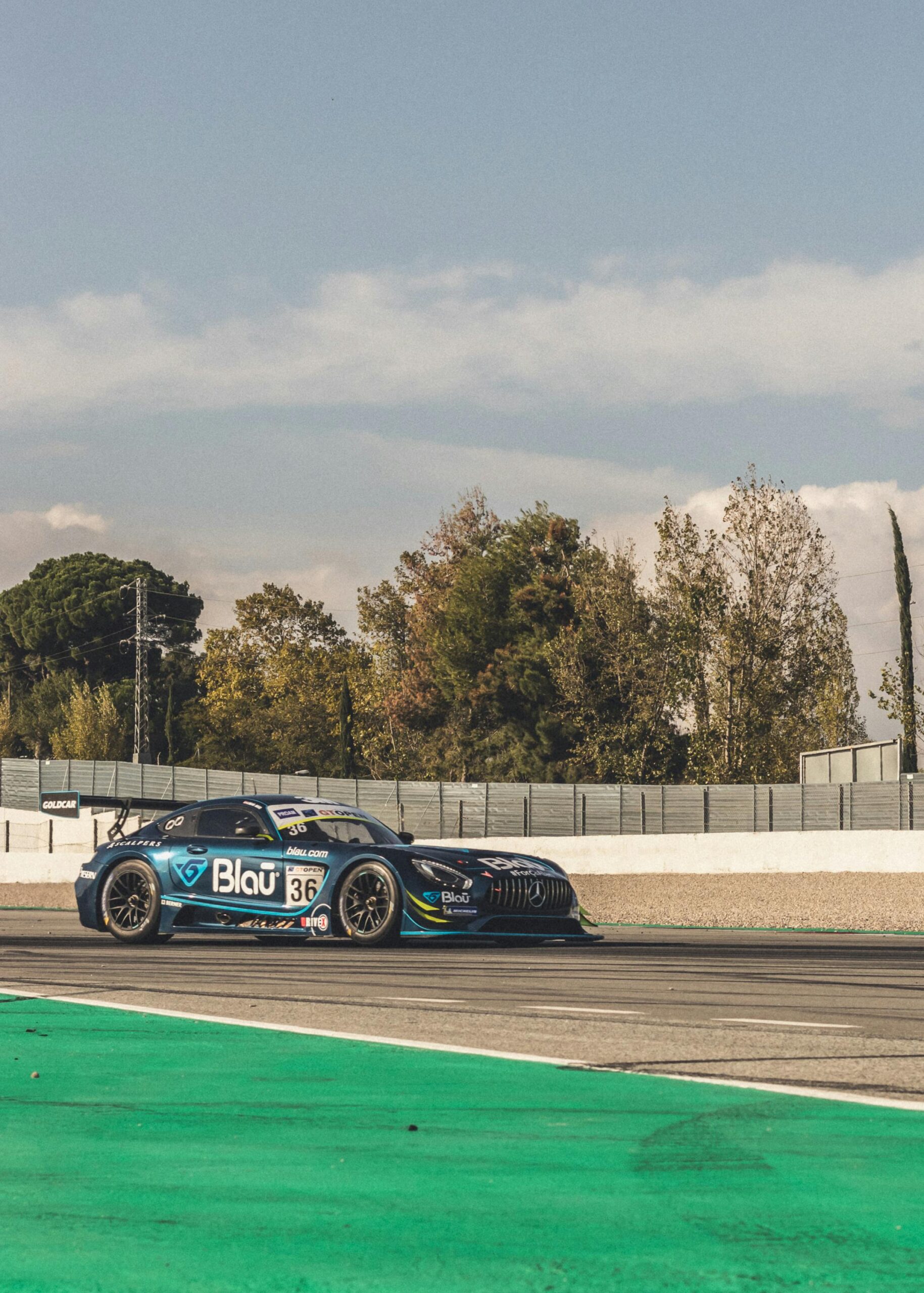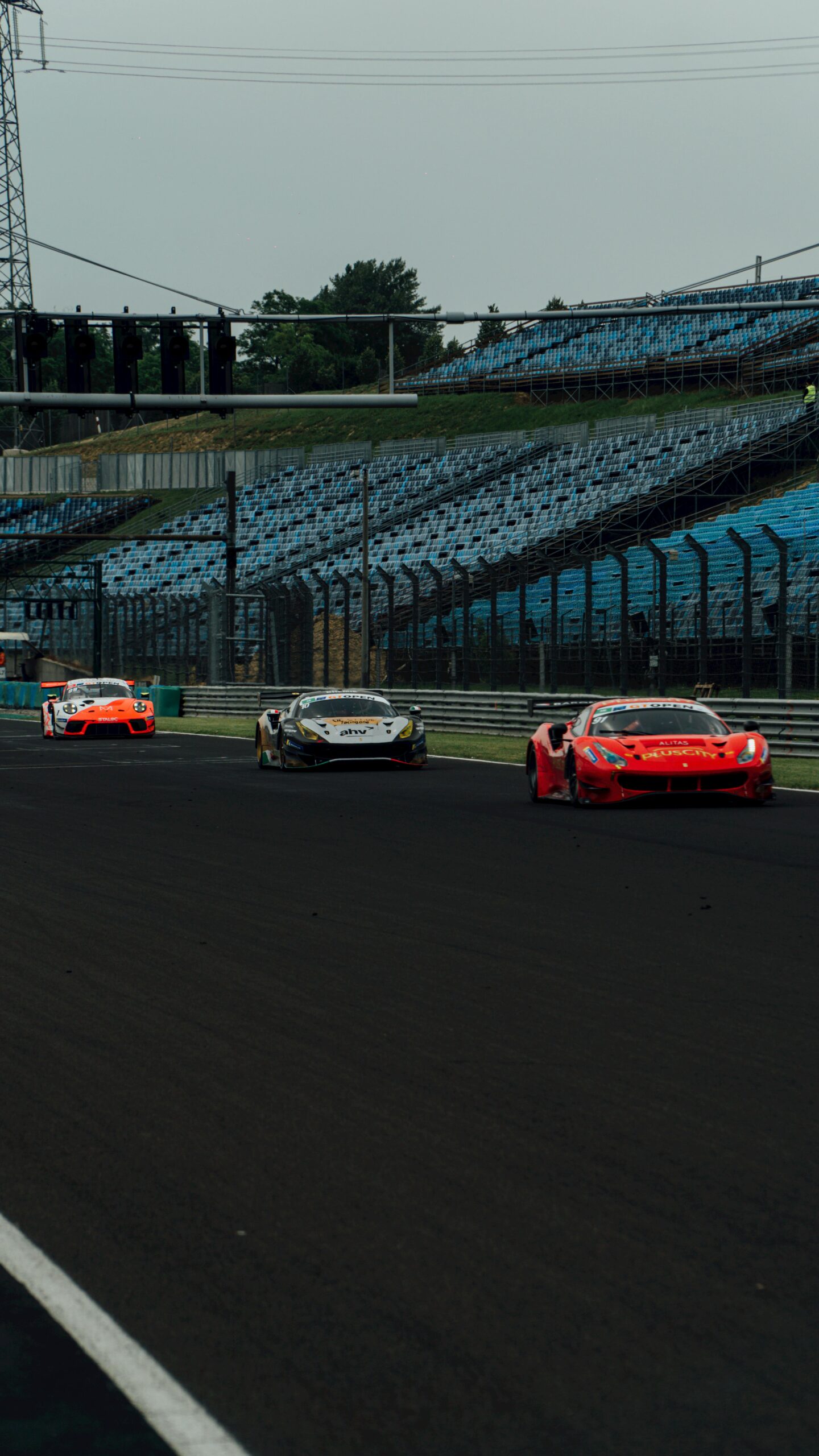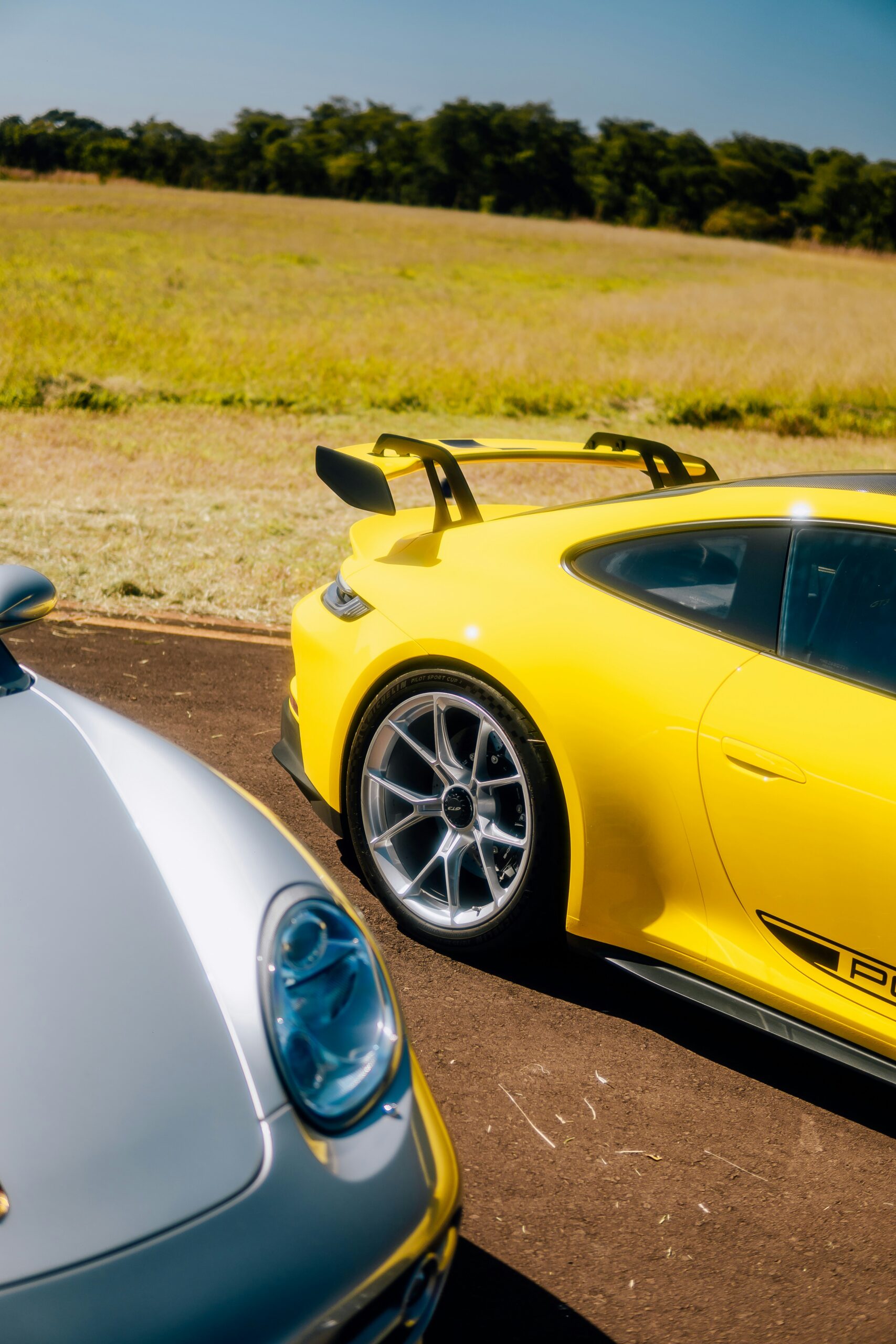


There are cars designed to be fast, others created to be practical, and others built to impress. Gran Turismo cars, however, are born from a different idea: transforming travel into an experience. Not simply moving from one place to another, but living the road through time, comfort, character, and driving pleasure.
The concept of Gran Turismo has always occupied a unique position within European motoring culture. It does not represent the extreme of pure sportiness nor that of absolute luxury, but rather a refined balance between performance, elegance, and the ability to cover long distances without sacrificing comfort.
It is an idea of the automobile deeply connected to a lifestyle: one in which the journey matters as much as the destination.
The origins of the Gran Turismo concept
The expression “Gran Turismo” finds its roots in the European Grand Tour, the long cultural journey undertaken between the 17th and 19th centuries by young aristocrats and intellectuals across Europe — especially Italy — as part of their education.
When the term began to be associated with automobiles, its meaning remained surprisingly coherent: no longer a simple means of transportation, but a way to move through landscape, time, and experience with a certain quality.
The first true modern GT cars emerged after the Second World War. Italian and British manufacturers began developing vehicles capable of combining powerful engines, elegant lines, and interiors comfortable enough for long journeys. A category was born that would become a symbol of automotive refinement.
Speed and comfort: a difficult balance
The true nature of a Gran Turismo cannot be measured only in numbers. Power, acceleration, and top speed matter, but they are not enough to define the character of these cars.
A GT must achieve something more complex: maintaining strong performance without turning travel into fatigue. It must be fast, yet also stable, quiet, and balanced. It must deliver sporting sensations without sacrificing smoothness.
It is precisely this refined compromise that makes Gran Turismo cars so fascinating. They do not pursue the extremism typical of modern supercars, but rather a form of harmony between emotion and comfort.
The elegance of long-distance driving
There is a profound difference between driving for a few minutes and covering hundreds of kilometers. Gran Turismo cars are designed with the latter experience in mind.
Coastal highways, alpine roads, night drives between European cities: their natural environment is not the racetrack, but distance itself. Every element is designed to accompany the driver over time: driving position, sound insulation, material quality, and smooth power delivery.
A GT does not encourage constant aggressive driving. Instead, it invites the driver to find a rhythm. It is a car that values continuity, control, and the ability to move through landscapes without haste.
Italy, Britain, and the Gran Turismo myth
Europe built much of the Gran Turismo myth through two different yet complementary sensibilities: the Italian and the British.
Italy interpreted the GT through sensuality and mechanical passion. Brands such as Ferrari, Maserati, and Alfa Romeo created cars in which design played a central role, transforming the automobile into something almost artistic.
Britain, on the other hand, developed a more restrained and aristocratic vision of the Gran Turismo. Manufacturers such as Aston Martin and Jaguar built elegant, refined cars often defined by a quieter and more composed form of sportiness.
Two different approaches, united by the same philosophy: turning travel into an aesthetic as well as mechanical experience.
Gran Turismo and lifestyle
The fascination surrounding GT cars is not limited to the automobile itself, but to what it represents. Driving a Gran Turismo means embracing a certain idea of time and movement.
In an era dominated by immediacy and efficiency, the GT preserves an almost contemplative dimension. Its goal is not simply to arrive sooner, but to arrive better.
For this reason, Gran Turismo cars are often associated with an imagery made of discreet elegance, historic hotels, scenic roads, leather luggage, and long European itineraries. Not as ostentation, but as a culture of travel.
The contemporary appeal of GT cars
Even today, in the age of SUVs and electrification, the Gran Turismo concept continues to fascinate. In fact, the transformation of the automotive market seems to have made these cars even more evocative.
GT cars represent a less utilitarian and more emotional idea of driving. They preserve the pleasure of mechanics, engines, and the physical relationship with the road.
Naturally, the concept evolves: new technologies, greater comfort, hybrid powertrains. Yet the principle remains unchanged: combining performance, elegance, and the ability to travel.
When the journey truly matters
Ultimately, the fascination of the Gran Turismo comes from a precise vision of the automobile. Not as a simple technical object, but as a companion to experience.
GT cars remind us that driving can still be something more than a daily necessity. It can become a moment of connection with the landscape, with time, and even with oneself.
Because some cars are made simply to arrive.
Gran Turismo cars are made to truly travel.